
WHAT IS Musician's Focal Dystonia?
Musician’s focal dystonia is considered a neurological motor disorder characterized by involuntary muscle contractions that interfere with playing a musical instrument. It is a task-specific dystonia, meaning that actions involved in playing, such as strumming a chord on a guitar, forming an embouchure, lifting a trumpet into playing position, or pushing piano keys down, trigger involuntary muscle contractions. Sufferers may experience these as extreme tightness, shaking or cramping. Some may also notice a loss of coordination, endurance, range or speed.
In our research and experience, musician’s dystonia usually involves more than the involuntary muscle contractions affected musicians notice most. The condition is part of an overactive nervous system and frequently tangled up with mental and emotional distress such as fear, anxiety, doubt, and confusion; trauma and other negative experiences. Even playing elements, such as breathing and posture, can be impacted. The body is not broken, but, somewhere along the way, playing became a threat. For us, it is a whole body, whole mind condition—one that requires a comprehensive approach based on the individual.
Grammy Winner Craig Klein on
Musician’s Dystonia Recovery
Craig shares how working with Greg Spence is steadily resolving his symptoms after other recovery methods fell short.
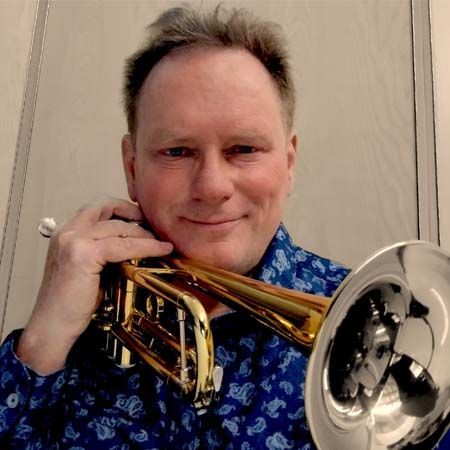
"Hey trumpet friends. I began working with Australian trumpet player Greg Spence about 11 months ago. His team, including Julie Baxes, have helped me get to a point of playing very close to symptom free of Focal Dystonia after struggling with it for almost 20 years." Bill Clark, Vancouver Trumpet Player & Composer
SUCCESS STORIES
Synkinesis
Recovery
Willie Murillo talks about his recovery from Bell's palsy/synkinesis using exercises and visualisations from Greg Spence.
Embouchure Dysfunction
Renaud Gensane talks about his embouchure dysfunction and gives an example of his playing before and after recovery.
The Julie Baxes
Journey
From full-blown musician’s dystonia to free, relaxed playing: watch Julie’s powerful transformation.
Overcoming Musician’s Dystonia
Three musicians share their exciting breakthroughs and recovery progress using the Fubrian approach.
Truly Astonished
"I really am totally, truly astonished at the difference you made yesterday. I can see better, breathe better, the face just feels more comfortable, the pitching and range on the horn are better, my 'blowing direction' has come at least 10 degrees closer to centre and the playing has become more repeatable."
Jutta, UK
Greg is a Genius
"An epiphany, I'm convinced Greg is a genius. He has solved my decade long inability to play with any ease above the stave. High C is now as easy as talking."
Paul Hollingsworth, New York
I Feel So Fortunate
“Is anyone else on the planet teaching so effectively about how to approach the learning process involved in reprogramming motor skills? I feel so fortunate to have access to this great pedagogue! The process is the purpose!”
Eric Eindenheim, Jersey City
MEET THE FUBRIAN FOUNDERS
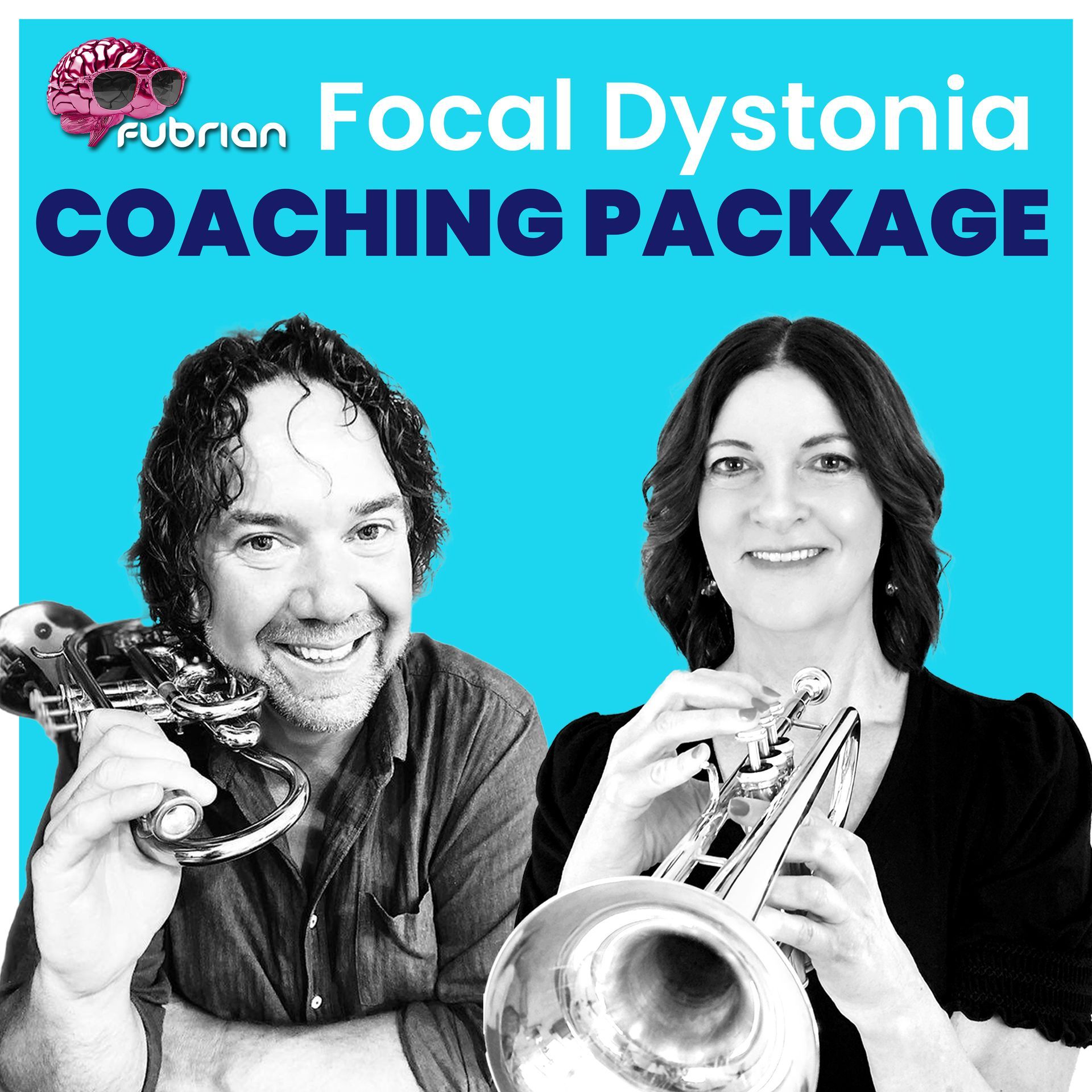
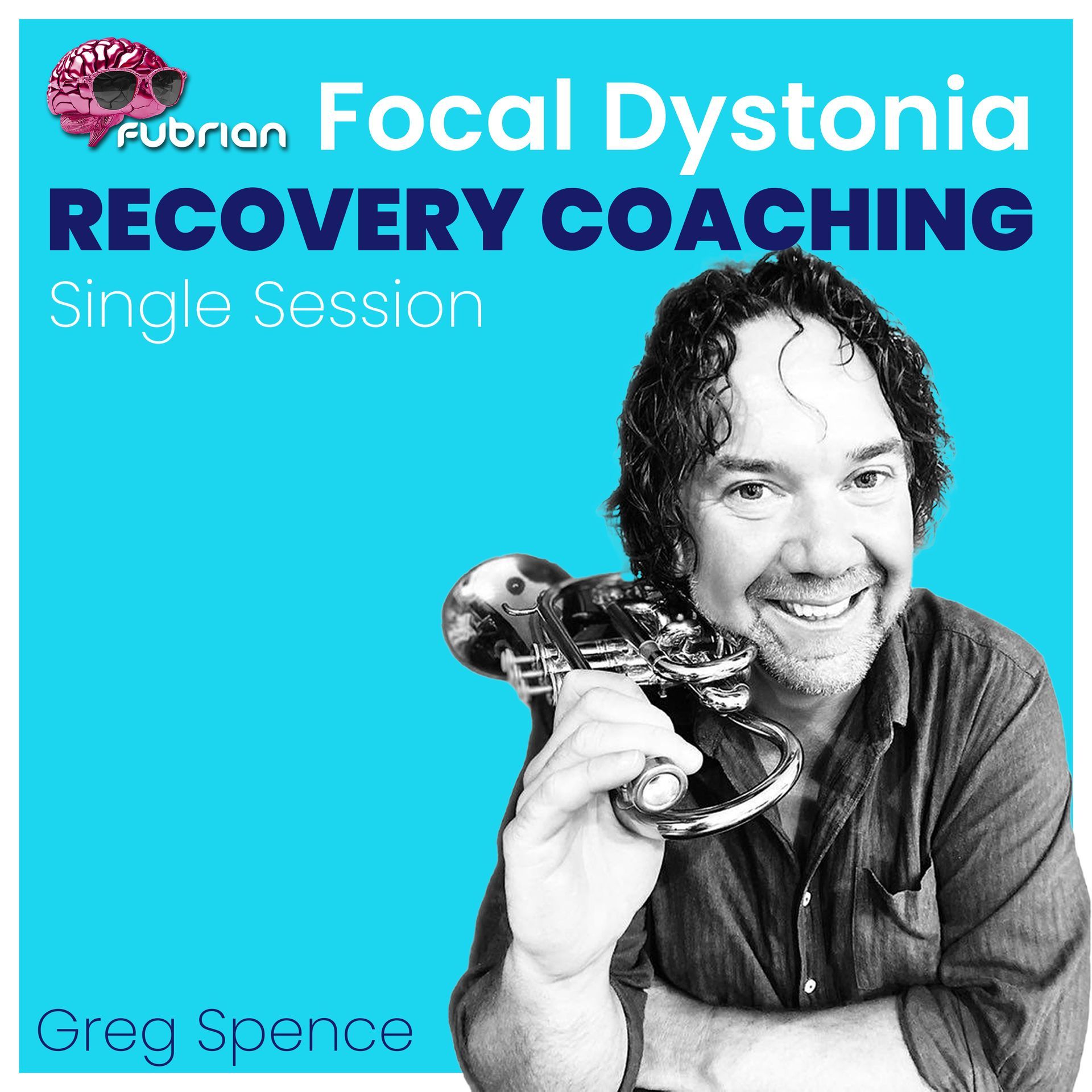
Greg Spence
Artist, Brass Specialist & Lead Focal Dystonia Recovery Coach
Greg Spence is an internationally acclaimed trumpeter, brass pedagogy expert, and clinician. He bridges the gap between elite artistic performance and an innovative, neuroplasticity-backed approach to efficient playing and stage confidence. His pioneering framework integrates physics, neurology, and psychology to deconstruct and rewire deeply ingrained muscle patterns, transforming rigid strain into a healthy, tension-free approach to playing. Through this holistic method, Greg helps musicians of all instruments navigate complex physiological and psychological challenges, including focal dystonia, Bell’s palsy, synkinesis, and performance anxiety.
As a sought-after consultant, Greg conducts masterclasses throughout Europe, the United States, and Australia, with featured presentations at International Trumpet Guild conferences and the Midwest Clinic. He has successfully coached elite professional performers and faculty members from the world's most prestigious institutions, including the Royal College of Music (London), the Berlin Symphony Orchestra, the University of North Texas, the Copenhagen Philharmonic, Baylor University, and the University of Ljubljana (Slovenia).
An exceptionally versatile instrumentalist, Greg’s own performance career spans commercial, jazz, Latin, funk, and classical genres. He has served as a featured artist for national advertising campaigns, major theatrical productions, and high-profile television broadcasts, collaborating with world-renowned icons and ensembles including Herbie Hancock, Wayne Bergeron, Seal, the Ministry of Sound, and the Sydney Symphony Orchestra. Greg holds a Bachelor of Arts in Trumpet Performance from the Victorian College of the Arts.
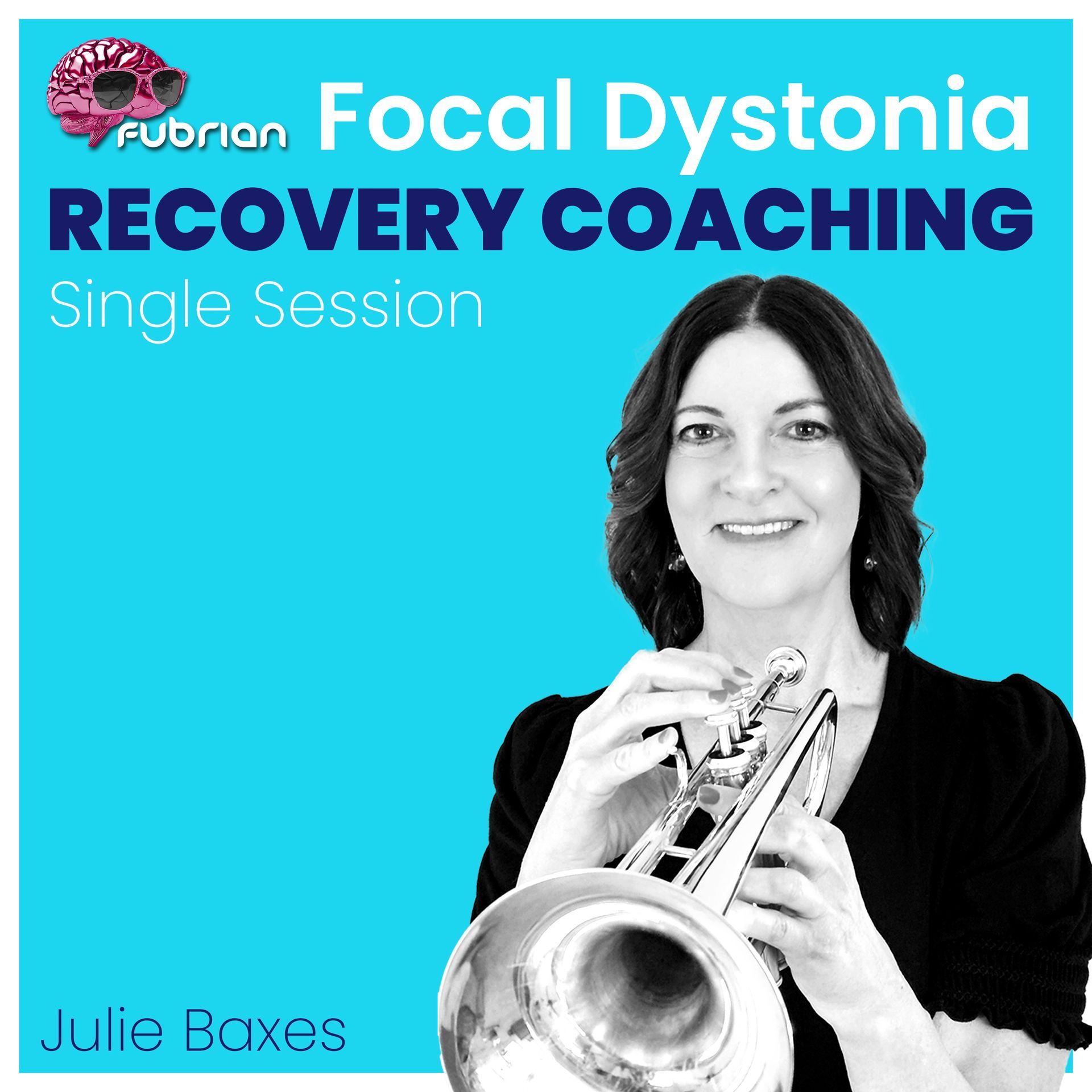
Julie Baxes
Musician, Co-Researcher & Focal Dystonia Recovery Coach
Julie Baxes brings a diverse multi-instrumental background and over three decades of communications expertise to her work in musician’s dystonia recovery training. As a pianist, she has performed with vocal ensembles, chamber groups, and at special events, later adding the trumpet. Julie has performed with collegiate concert and jazz ensembles, regional big bands, the Jeffco Brass, and Rocky Mountain Brassworks, a premier British-style brass band.
Following the onset of musician’s focal dystonia, which severely impacted her performance ability, Julie redirected her focus toward an intensive, practical investigation of the condition. Her quest for answers led her to deeply research an array of recovery methods and neural retraining approaches. She eventually partnered with renowned brass educator Greg Spence to co-research musician’s focal dystonia and facilitate her own recovery. Together, they have logged hundreds of hours of recorded sessions, analyzing sensorimotor and psychological/emotional patterns to develop highly effective neural retraining protocols.
Julie has spent more than 30 years as a senior communications and public affairs strategist, writer, and editor, and uses these skills to share groundbreaking retraining methods with the international music world. As a coach and speaker, Julie has presented her personal journey and recovery strategies at International Trumpet Guild conferences, and is dedicated to helping musicians find their way back to playing ease and performance confidence. Julie holds a Bachelor of Arts in Journalism with a Marketing minor from Arizona State University.
RECENT CLINICS
We have presented key strategies for musician's dystonia recovery at international conferences to help instrumentalists retrain mechanics, eliminate strain, and overcome focal dystonia.
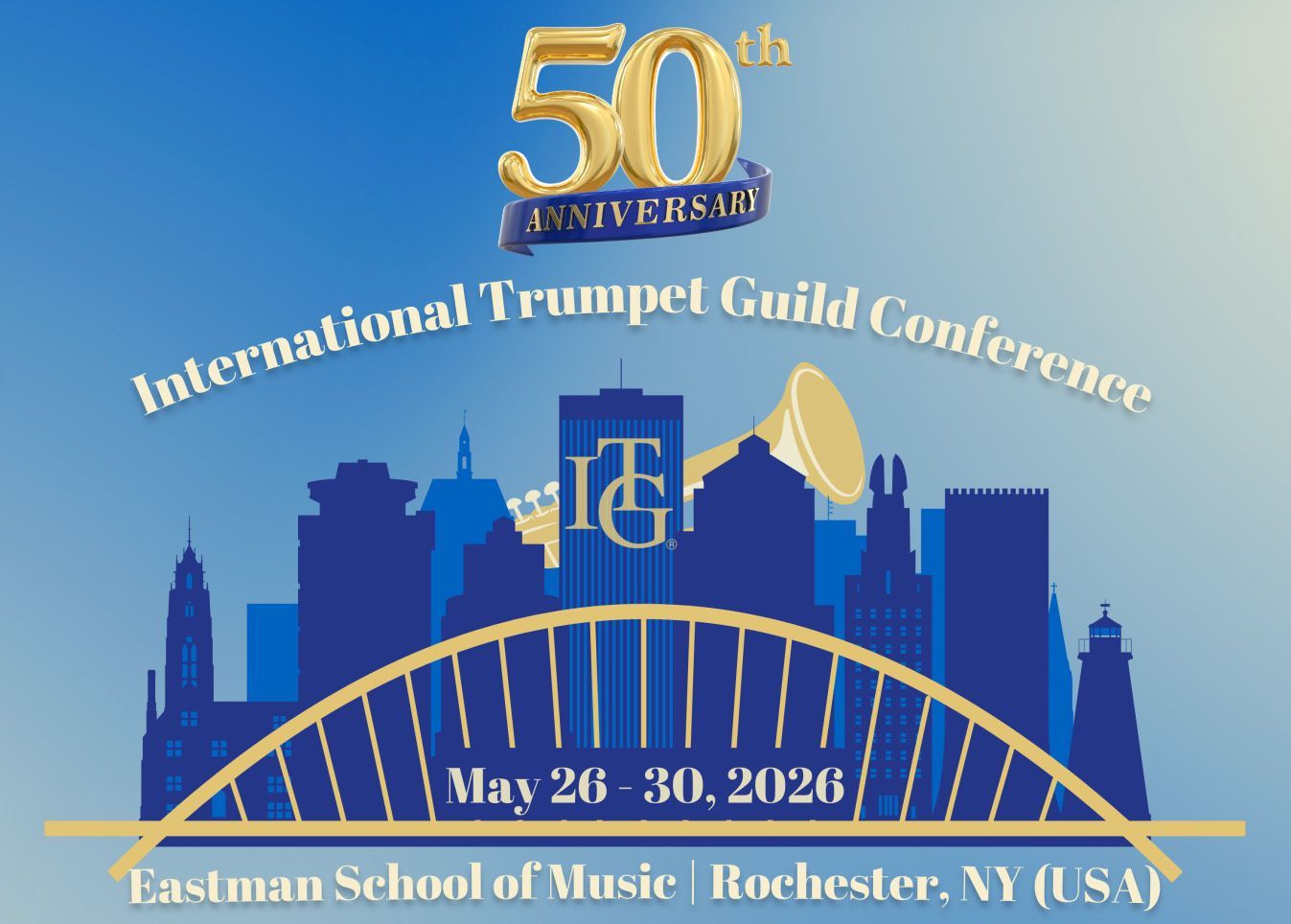
International Trumpet Guild Conference (2026) Rochester, NY | Eastman School of Music
Masterclass:
"Using Powerful Learning Strategies to Build Healthy Brass Playing and Performance Confidence"
International Trumpet Guild European Regional Conference (2025) Varaždin, Croatia
Masterclass:
"Using Advanced Learning to Skyrocket Your Playing and Overcome Obstacles"
Starting Your Musician's Dystonia Recovery
In this video, we help you understand that you are not broken. You are more than capable of getting through musician’s dystonia, and there is hope for you if you suffer from Bell’s palsy/synkinesis.
There is a path to recovery for you!
Book a FREE Musician's Dystonia Assessment
We are offering a free service to help evaluate your issue personally.
Book Your Musician's Dystonia Recovery Session
Start your journey to healthy playing today by booking in your recovery session.
Rediscover Your Confidence
Embouchure Dystonia Recovery
Hand Dystonia Recovery
Finger Dystonia Recovery
Cervical Dystonia Recovery
FAQs
Please contact us with any questions we haven’t answered here.